Risk is Better Than Regret: A Designer's Embroidery Review
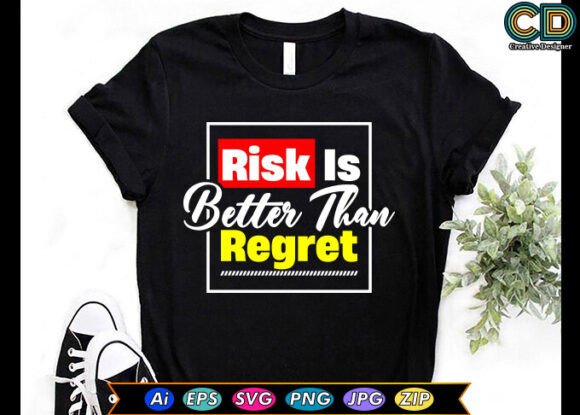
As a professional designer who has spent years stitching, digitizing, and reviewing embroidery files for everything from boutique apparel to custom gifts, I have learned that the difference between a good project and a great one often comes down to the design itself. When I first encountered the Risk is Better Than Regret design, my immediate reaction was not about the file formats or the technical specs, but rather the emotional weight of the message. In a market saturated with generic patterns and overused quotes, this piece stands out because it carries a distinct personality. It feels less like a decoration and more like a statement, perfectly suited for creators who want their handmade products to resonate on a deeper level.
The First Impression: Mood and Visual Personality
The phrase "Risk is Better Than Regret" evokes a sense of boldness and forward momentum. Visually, the layout strikes a balance between modern minimalism and approachable warmth. The typography suggests a style that works well in both satin stitch for a polished look and fill stitch for a bolder impact. Unlike many designs that feel stiff or corporate, this one has a human touch. It creates an atmosphere of empowerment, making it an ideal candidate for personalized gifts where the recipient needs a little encouragement or a reminder to chase their dreams.
For those of us in the crafts and graphics niche, the aesthetic appeal is crucial. This design does not scream for attention; instead, it invites the viewer to pause and reflect. Whether you are an Etsy seller looking to expand your catalog of motivational items or a hobbyist creating a unique gift for a friend starting a new business, the visual language of Risk is Better Than Regret fits seamlessly into narratives of growth and courage.
Real-World Application: From Digital File to Finished Product
I recently tested this design with a specific scenario in mind: creating a line of custom embroidered tote bags for a local craft fair. My goal was to produce high-quality merchandise that would stand out on a crowded table. I selected a durable canvas fabric and chose a thread color palette that offered strong contrast without being jarring. The results were impressive. The text held its shape beautifully within the hoop, and the lettering remained crisp even after several washes.
This design proves particularly versatile across various product types. On a sweatshirt, it transforms a basic garment into a conversation starter. For baby clothes, it offers a modern twist on traditional nursery decor, appealing to parents who value meaningful messages. I also considered using it for holiday gifts, imagining a set of kitchen towels featuring the quote alongside festive motifs. The flexibility of the design allows it to adapt to different contexts, whether it is a small patch for a denim jacket or a large-scale embroidery on a pillow cover.
When evaluating how this affects customer trust and brand consistency, the quality of execution is paramount. A clear, well-stitched design signals professionalism. Customers buying from small shops or handmade product lines expect a certain level of care. When they see a design like Risk is Better Than Regret executed with precision, it reinforces the value of the item. It suggests that the maker put thought into every detail, which translates to higher perceived value and increased buyer engagement.
Navigating Technical Challenges and Fabric Choices
While the design is robust, no machine embroidery project is without its challenges. As an experienced reviewer, I must point out where caution is required. If you plan to use this design on textured fabrics or thin materials, you need to be strategic about your stabilizer choice. The density of the stitches in the lettering can pull on delicate threads if not supported correctly.
Small hoop sizes present another consideration. While the design is likely scalable, very small dimensions might compress the details, making the text harder to read. Similarly, on stretchy fabrics like jersey knit, the tension of the embroidery can cause puckering if the fabric is not stabilized adequately. Dark fabrics require careful selection of thread colors to ensure the message remains legible. A light-colored thread on a dark background will pop, but the reverse requires a denser stitch pattern to prevent the fabric from showing through.
Curved surfaces, such as caps or hats, add a layer of complexity. The curvature of the hat can distort the straight lines of the text if the design is not adjusted for the specific curve of the cap. In these cases, testing on scrap fabric is non-negotiable. You must verify that the design maintains its integrity when stretched over the curved form. Additionally, for products that require frequent washing, such as aprons or tea towels, ensuring the stitch density is sufficient to withstand wear and tear is essential for longevity.
Practical Notes for Designers and Entrepreneurs
Before committing to a full production run or selling finished items, there are several steps every designer should take. First, always test the design on scrap fabric. This simple step can save you hours of frustration and wasted material. Check the thread color contrast against your chosen background to ensure the message is clear. Review the stitch density to make sure the design is not too heavy for the fabric weight.
If you are working with digital embroidery files, confirm the compatibility with your machine. While the availability of editable AI, SVG, EPS, and JPG files is a significant advantage for customization, you must ensure your software can handle the vectors correctly. Inspect small details closely, especially if you intend to reduce the size of the design. Tiny lettering can become illegible if the resolution is not high enough.
For commercial projects, licensing terms are critical. Before selling finished products or digital assets derived from this design, verify the license agreement. Some designs allow for personal use only, while others permit commercial sales. Understanding these terms protects your business and ensures you are operating ethically. Also, consider creating printable mockups to showcase the design before you start stitching. This helps visualize the final product and can be useful for marketing your craft business online.
Final Thoughts on Value and Versatility
In conclusion, Risk is Better Than Regret is more than just a collection of letters; it is a tool for creative expression. It offers a practical solution for embroidery designers, small business owners, and makers who want to create meaningful, high-quality items. Its ability to convey a powerful message through clean lines and balanced composition makes it a valuable asset for any portfolio.
Whether you are designing custom apparel, preparing personalized gifts, or building a brand identity for your shop, this design provides a solid foundation. By paying attention to fabric texture, hoop size, and stitch density, you can transform this digital file into a stunning finished product that customers will cherish. It is a reminder that in the world of crafting, taking the risk to try something new often leads to the most rewarding outcomes. So, grab your hoop, select your best thread colors, and let this design inspire your next project.