Do Your Best: A Designer's Review for Real Embroidery Projects
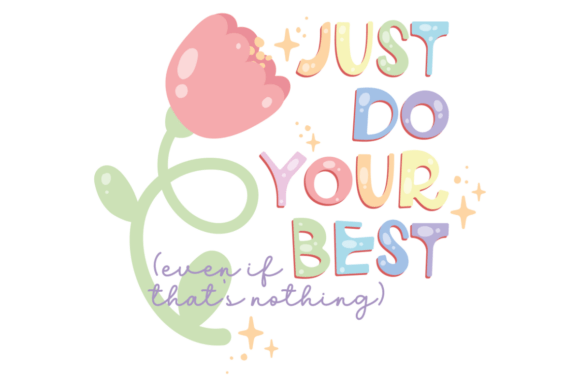
As someone who has spent years stitching designs into everything from heavy denim to delicate baby onesies, I know that the difference between a good embroidery file and a great finished product often comes down to one thing: character. When I first opened the Do Your Best design file, my initial reaction wasn't about stitch counts or file formats. It was about the mood. This isn't just a graphic; it is a comforting, pastel quote graphic that says, "Just do your best even if that's nothing," wrapped in bubbly letters, sparkles, and a charming tulip illustration. It feels like a warm hug in digital form, perfect for the soft encouragement we all need.
However, translating a cute digital image into a tangible embroidery project requires more than just hitting the start button on a machine. We need to talk about how this design actually behaves when it meets fabric, thread, and the real-world wear and tear of daily life. Whether you are an Etsy seller looking to boost your shop's emotional connection with buyers or a hobbyist making a gift for a friend, understanding the practical application of Do Your Best is crucial before you commit to a production run.
The First Stitch: Visual Personality and Mood
The layout of Do Your Best is immediately approachable. The typography uses a bubbly style that suggests playfulness without sacrificing readability. For an embroidery designer, the key here is the balance between the text and the decorative elements. The inclusion of sparkles and a single tulip illustration creates a focal point that breaks up the words, preventing the design from feeling too dense or overwhelming. This is a Graphics category piece that excels because it doesn't try to be a complex portrait or a detailed landscape; it relies on positive sentiment and clean shapes.
In terms of visual appeal, the pastel theme implies a specific target audience. It screams "soft," "gentle," and "supportive." This makes it an ideal candidate for products where comfort is the primary selling point. The design naturally belongs in spaces that require a touch of whimsy but still maintain a level of professionalism. It is not a chaotic design; it is curated to make the viewer feel understood. When you look at a mockup of this on a tote bag or a sweatshirt, the message lands instantly. It is the kind of statement that invites a conversation rather than shouting for attention.
Real-World Application: From Digital File to Finished Product
Let's imagine a real scenario. You are preparing a custom embroidered tote bag for a local craft fair. You want to offer something unique that resonates with the stress of modern life. You pull up the Do Your Best file. How does it translate? The bubbly letters work beautifully on canvas or cotton twill, provided the stitch density is managed correctly. The tulip adds a splash of color that can be highlighted with a contrasting thread, perhaps a soft green or a vibrant yellow, to make the flower pop against a neutral background.
This design is versatile enough for custom apparel like sweatshirts and t-shirts, where the message serves as a personal affirmation for the wearer. It also shines on baby clothes, where the gentle nature of the quote and the floral element align perfectly with nursery decor themes. I have seen similar designs used successfully on aprons and kitchen towels, turning mundane household tasks into moments of self-care. The phrase "Just do your best even if that's nothing" is particularly powerful for parents, teachers, and caregivers—groups that constantly seek validation for their efforts.
If you are running a small business, this file offers high value for commercial embroidery. It fits seamlessly into a boutique branding strategy. Imagine a collection of matching items: a pillow cover for the living room, a tea towel for the kitchen, and a cap for the garden. The consistency of the Do Your Best aesthetic ties these disparate products together, creating a cohesive brand identity that customers will recognize and trust. It elevates a simple handmade product into a thoughtful gift that feels personal and intentional.
Where to Exercise Caution: Technical Limitations
While the concept is sound, every machine embroidery design has its limitations. The bubbly lettering and small details like sparkles require careful consideration regarding hoop size and fabric choice. If you attempt to stitch this on a very small surface area, such as the front panel of a baseball cap or a tiny patch, the fine details may get lost. The sparkles, while charming in a digital preview, can become indistinguishable blobs of thread if the resolution is too low or the hoop is too tight.
Fabric texture plays a massive role in the final outcome. On stretchy fabrics like jersey knit, the tension required for the satin stitches might cause puckering, distorting the bubbly letters. Similarly, on dark fabrics, the pastel color palette might struggle to show up unless you use a high-quality underlay or choose specific thread colors that provide enough contrast. The tulip illustration, being a single element, is generally robust, but if the design includes tiny fill areas, they might look muddy on textured materials like fleece or heavy wool.
Another critical factor is the washability of the finished product. If you are creating items like kitchen towels or aprons that will see frequent washing, you must ensure the stitch density is appropriate. Too much density can make the fabric stiff and prone to cracking over time, while too little can lead to loose threads. The design works best on stable fabrics like cotton, linen, or blends that hold their shape well during the stitching process.
Practical Designer Notes for Success
Before you rush to your sewing machine, there are several steps you should take to ensure the Do Your Best design performs exactly as you hope. First and foremost, always test the design on scrap fabric. This allows you to check the thread colors and see how the different stitch types interact with your chosen material. Pay close attention to the stabilizer you are using; a stabilizer that is too light might not support the weight of the design, while one that is too heavy can leave unsightly marks on the back of the fabric.
Review the stitch density carefully. If the design looks too crowded in the software, consider adjusting the settings or simplifying the elements. Inspect the small details, especially the sparkles and the edges of the tulip petals, to ensure they are clean and defined. It is also wise to test the design in black and white mockups to verify that the contrast holds up regardless of the thread colors you eventually select. Compare how the design looks on both light and dark fabric backgrounds to anticipate potential issues with visibility.
Finally, confirm whether the license allows for commercial use if you plan to sell finished items or distribute the digital embroidery file. Understanding the legal boundaries is just as important as the technical execution. By taking these precautions, you protect your reputation and ensure that your customers receive a high-quality handmade product that reflects the care and thought you put into the creation.
The Do Your Best design is more than just a pretty image; it is a tool for connection. When executed with precision and care, it transforms a simple piece of fabric into a meaningful keepsake. Whether you are creating a personalized gift for a loved one or expanding your craft business with new merchandise, this design offers a perfect blend of encouragement and style. Just remember that the magic happens in the details, and a little bit of preparation goes a long way toward ensuring your final product is as inspiring as the message it carries.